IFUJI: Shaker Boxes Crafted with Heart, Elegant and Made to Be Used
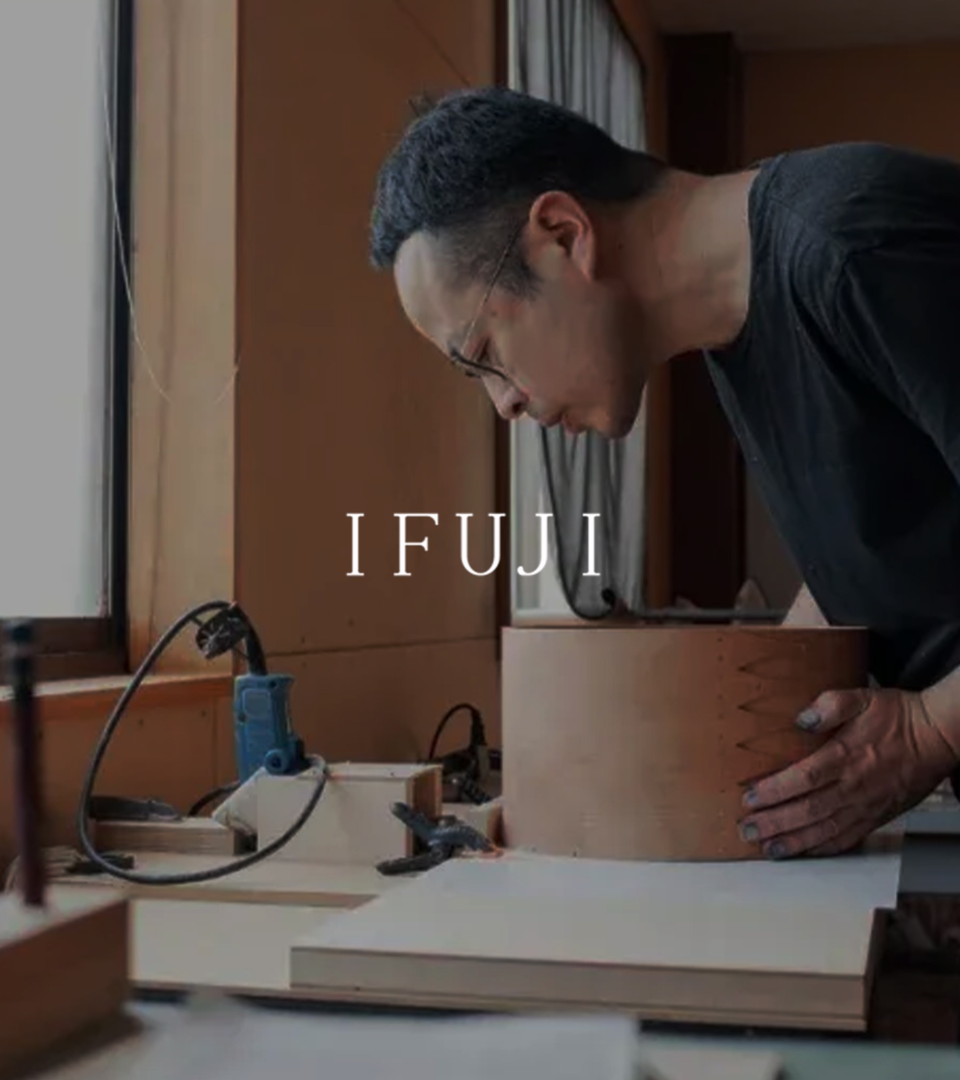
I’ve had a soft spot for IFUJI’s Shaker boxes for years. Founded by craftsman Masashi Ifuji, the brand is known for meticulous handwork and pared-back lines. It takes the humble storage box of America’s Shaker community and reimagines it as a piece of craft that fits right into modern life.
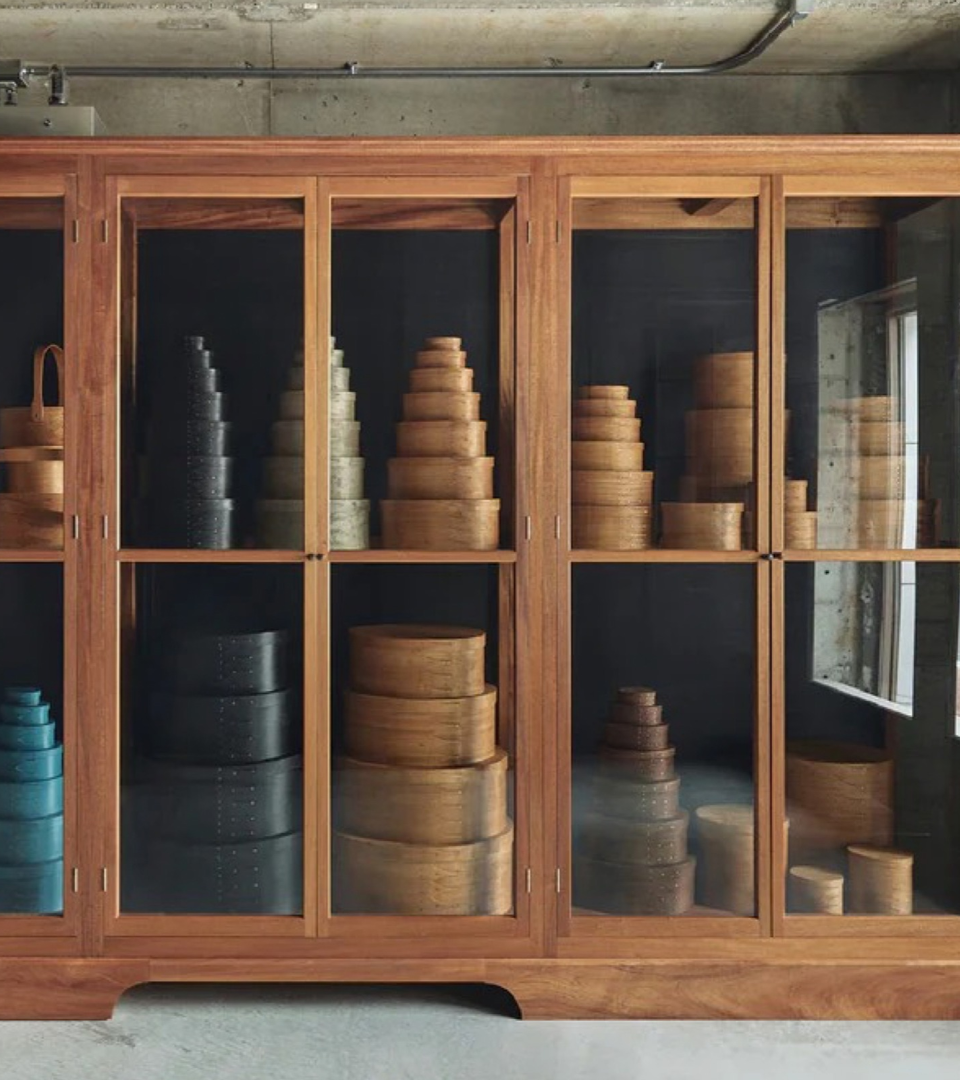
On a recent trip to Tokyo, I finally made the pilgrimage to IFUJI BOX TAILOR, tucked away on a quiet street corner in Kuramae. Step inside and you’re greeted by the faint scent of wood, and of time. Boxes line the shelves in neat rows, in every size, color and material, and you can’t resist picking them up one by one. The shop truly lives up to its name: it feels like a tailor’s studio for boxes. You can browse a whole range of styles, woods and finishes, or have one made to your own spec. That’s exactly how I ended up hopelessly torn between options.
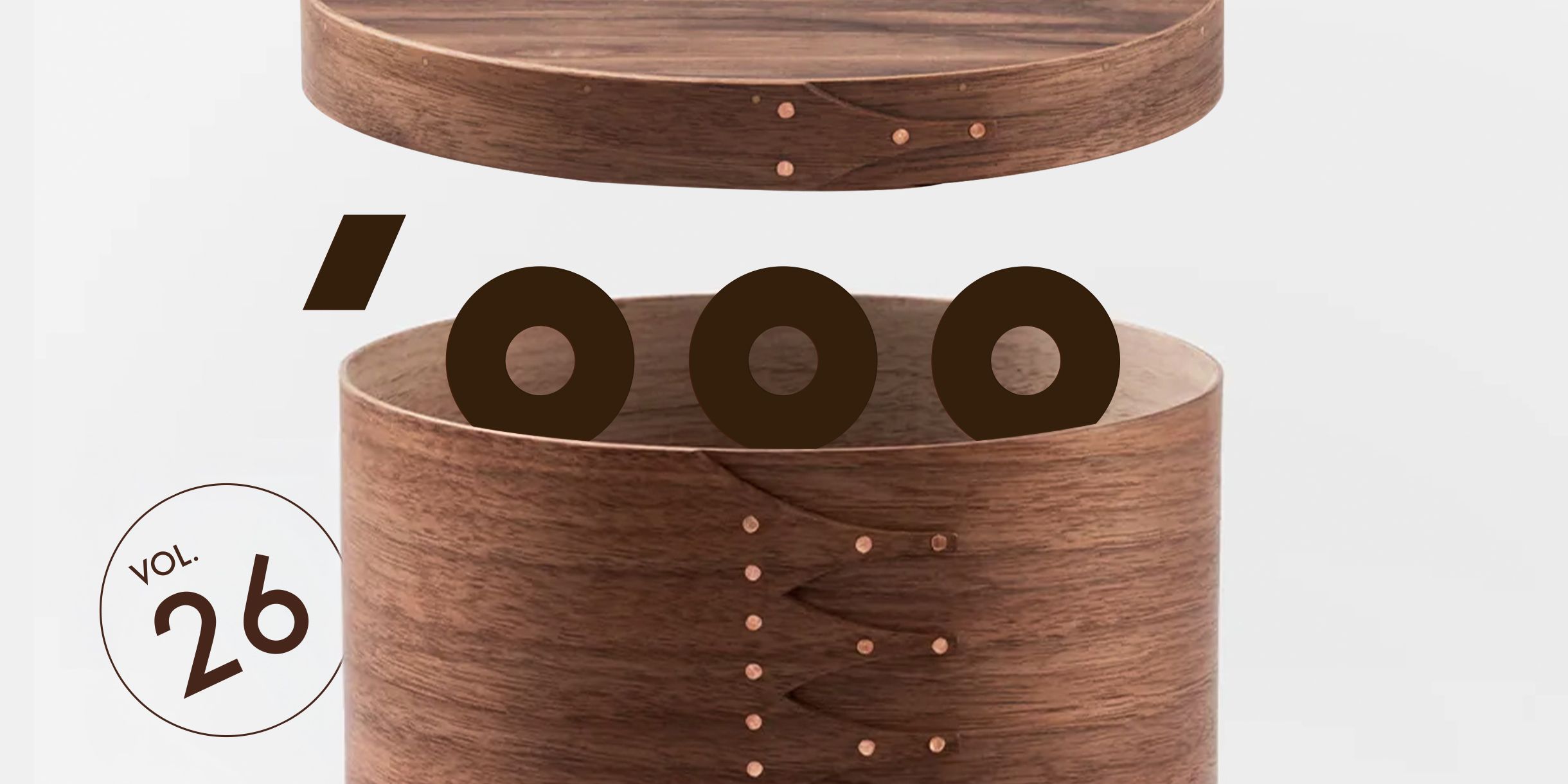
In the end, I went home with a round walnut Shaker Box. I love its deep, grounded tone and the finesse of its craftsmanship. It carries a kind of quiet strength. It now sits next to my coffee grinder, holding my brewing tools and filter papers. A well-made wooden box does more than bring a pleasing touch and a sense of order to everyday rituals. It also adds a little calm and warmth to the whole room.
— Ariel / Website Designer
|Shaker Box|
The Shaker Box traces its roots to the Shakers, a religious community in early America. They embraced simple living and saw work itself as a form of worship. They valued function and spiritual clarity in everything they made, and that ethos gave rise to craftsmanship and architecture that were elegant, durable and deeply practical.
The Shaker Box is among their most iconic pieces of woodwork. It was originally used to store seeds, sewing supplies and dry goods. Each box is made from thin bands of wood bent into an oval and secured with delicate swallowtail joints. Sizes range from palm-sized boxes to large stackable storage cases, a showcase of exceptional joinery and a fine eye for proportion. Shaker furniture, boxes, tools and buildings struck a rare balance of function and beauty, and went on to shape modern minimalism and Scandinavian design.