Our Thoughts
Why Even Branding Agencies Must Rebrand in This Era

In the past, branding agencies were often seen as the ones who build identities for others—focused solely on guiding clients through transformation and growth. But as markets shift, aesthetic languages evolve, and business models continuously adapt, branding consultancies themselves must evolve as well. A brand is no longer just a visual symbol; it is a strategic system in motion. If an agency’s own brand stands still, it becomes difficult to respond to clients’ expectations for the future. This is why, in recent years, more and more design and consulting firms have chosen to rebrand—updating their identities, integrating services, and even redefining their global positioning. These changes are not about chasing trends. They are responses to structural shifts in the way brands are built, experienced, and sustained.
When a Brand Becomes More Than a Product: Building Deep Connection Through Experience

Brands often confront a fundamental question: When competitors can replicate your product—and even share similar beliefs—what remains as your irreplaceable core? Many of us have felt the anxiety of possibly becoming a fleeting spark in a noisy marketplace. Signature programs offer a critical answer. In an age of fragmentation, they reclaim attention and create meaningful paths of participation for customers—and employees alike. Through deep engagement and resonance, a brand moves beyond logos and language, becoming a living symbol that continuously expresses vitality and earns lasting trust. The Core Question: Which Benefit Is Leading Your Experience? When shaping a signature experience, we must clearly identify which core benefit is guiding the conversation. Even when multiple dimensions coexist, recognizing the dominant driver often determines how a brand enters people’s lives. Emotional Benefits Every heart longs to be understood. Emotional benefits emerge from resonance—nostalgia, comfort, or a sense of acceptance. When a brand reflects the user’s inner world, it transcends function and becomes an emotional echo of “I understand you,” forming bonds that are both deep and enduring. Self-Expressive Benefits People define themselves through the choices they make. Self-expressive benefits position a brand as a declaration of identity—an aesthetic and symbolic proof of personal values, attitudes, and taste.Through the brand, we communicate to the world: “This is who I aspire to be.” Social Benefits As social beings, we naturally seek belonging. Social benefits focus on building communities of shared belief—connecting individuals with like-minded others.In participation, a powerful sense of collective belonging emerges, gathering small individual lights into forces capable of creating extraordinary value.
New Trends in Logo Design: Creative Applications of Brand Identity

In brand visual identity, logo design is not just a representation of a company’s name—it is a form of brand language. In recent years, more and more brands have been adopting logo transformations and extensions to make their marks more memorable and versatile. This design approach not only enhances brand recognition but also creates a visual system that can extend to products, advertisements, packaging, and even spatial design. In this article, Thinkers will introduce three types of logo design with six different case studies, exploring how brands utilize letter transformations, shape extensions, and playful design techniques to make logos the ultimate expression of brand value.
The Secret to Successful Packaging Design: Capturing Consumer Resonance

Gift-giving is a hot topic during festive seasons, and brands are pulling out all the stops with exquisite gift box designs to capture consumer attention and enhance their market competitiveness. As visual aesthetics become increasingly important, packaging has evolved from merely an exterior layer to a crucial tool for creating memorable brand touchpoints. In this article, thinkers explores four exceptional case studies that demonstrate how brands combine culture, creativity, and design to craft buzzworthy, universally adored gift experiences.
The Rise of Culinary Brands: Decoding Core Strategies

As consumers demand more from their dining experiences and market competition intensifies, establishing a distinct brand identity has become the decisive factor for success. According to a Statista 2023 report, 64% of consumers are more likely to choose restaurants with clear brand values and compelling stories. Similarly, a Nielsen survey reveals that 73% of customers are more inclined to return to brands that offer personalized experiences, particularly those that integrate unique positioning with digital services. In this article, thinkers will dive into three major F&B business models—specialty cafes, signature bubble tea brands, and global restaurant chains. Through six successful brand case studies, we’ll explore how brand strategy, space design, and service innovation enable these brands to rise above fierce competition and capture the hearts of consumers.
Key Brand Power: Standing Out in the Healthcare and Wellness Industry

With advancements in technology and heightened health awareness, preventive medicine and AI-driven healthcare applications are reshaping the landscape of health management, attracting an ever-growing pool of competitors. In this competitive arena, a successful brand strategy is the key to standing out, enhancing corporate image while fostering user trust and loyalty. Trust is the cornerstone of the healthcare sector. According to Edelman's 2023 Trust Barometer, 74% of respondents expressed greater trust in transparent and credible health brands. Similarly, a global survey by Ipsos revealed that 72% of consumers are more inclined to choose health-tech products with clear brand positioning, particularly those that balance professionalism with human-centered care. These insights underscore the critical role of brand image in the health-tech industry. Brands that effectively communicate their values and build trust will gain a competitive edge, capturing the loyalty of users and becoming leaders in the field. thinkers showcase six healthcare branding case studies across three categories. Discover how these brands leverage differentiated positioning and strategic initiatives to embody professionalism through technological prowess and precision medical solutions while reflecting warmth and humanity in service design and emotional connection.
thinkers’ ooo Vol. 21-25 collection

thinker launched a new project named “thinkers' ooo” since 2020. It is a column to share thinkers’ points of view to their favorite brands, some of which are not even well-known to the public. We love the products of course, but it is the brands that we are attracted to and inspired from. “ooo” means our perspectives, imagination and self statement. Written by the designers and planners themselves, the articles include why we love the brands, how we use the products and what we learn from the stories behind the brands. Here are the first five articles we’ve published. Enjoy!
The Value of Customized Websites: Elevating Brand Experience Through Digital Design

In today’s digital era, a brand’s first impression is no longer formed solely through physical stores or social media—it starts with its website. No longer just an information hub, a website plays a crucial role in establishing brand personality, reinforcing brand identity, and deepening consumer trust. The design and experience of a website directly influence how consumers perceive a brand. This article explores the relationship between websites and branding, the value of customized websites, and think’s approach to digital content planning for brands.
Creative Marketing: How to elevate brand image with generative AI

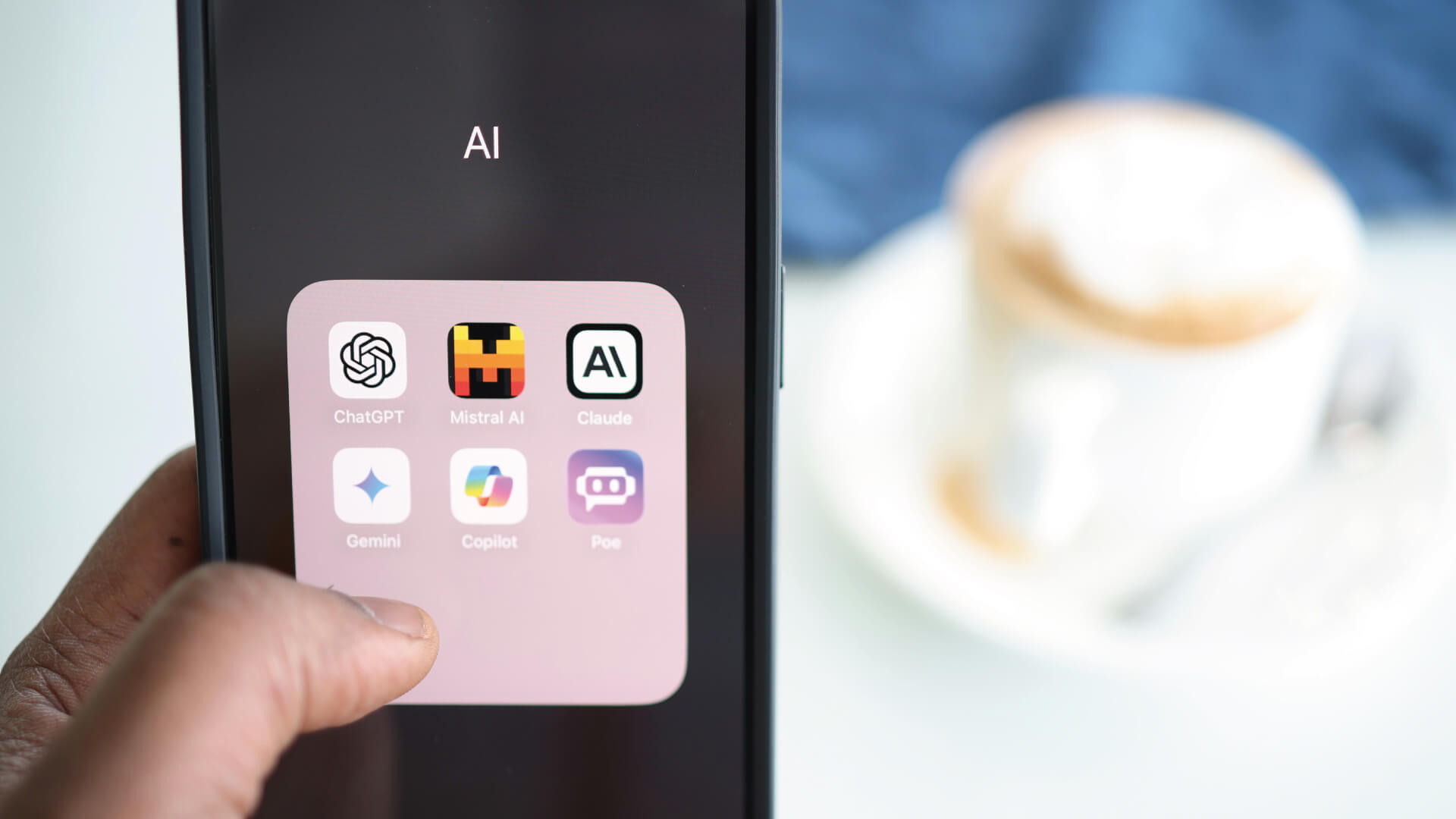
In today's digital age, shaping and maintaining a strong brand identity is crucial to a company's success. With the rise of generative AI technologies like ChatGPT and DALL-E, brand owners now have more creative tools to craft engaging narratives and compelling visual experiences. Generative AI, with its powerful computational abilities, enables the production of high-quality content, offers personalized experiences, and facilitates more efficient brand interactions. This article has carefully selected three creative marketing cases, providing brand owners with inspiration to build a more impactful brand image.
Innovation into Brand DNA: Case Study of Sports Brands

With the ongoing Paris Olympics, the world is once again entering a frenzy of sports enthusiasm. Brands, in the sports sector or not, are seeking to boost awareness and sales by creative strategies. However, such grand events are not an everyday occurrence. How can brands proactively create buzz and maintain visibility during quieter times? Beyond emphasizing product functionality, brands are now increasingly addressing the diverse psychological needs of consumers, such as everyday fashion, trending topics, and even deeper levels of identity and belonging. Here are three case studies curated by thinkers, showcasing different sports product brands and event brands. Discover how they generate buzz in their daily marketing activities, bring fresh ideas to their brands, and ultimately attract their target audience to make a purchase.
Case Studies of Sustainable Branding

In recent years, sustainable branding has become a focal point for consumers. Market research indicates that over 70% of consumers prefer brands committed to sustainability, and 60% consider a brand's sustainability strategy a crucial factor in their purchasing decisions. Embodying the spirit of sustainability not only attracts consumers but also fosters customer loyalty. Against this backdrop, many brands are integrating sustainable thinking into their business strategies, gaining recognition through innovative design and eco-friendly initiatives. In this article, we will share creative case studies from the perspective of professional brand consultants, aiming to provide further inspiration for brand planning.
thinkers’ ooo Vol. 16-20 collection

thinker launched a new project named “thinkers' ooo” since 2020. It is a column to share thinkers’ points of view to their favorite brands, some of which are not even well-known to the public. We love the products of course, but it is the brands that we are attracted to and inspired from. “ooo” means our perspectives, imagination and self statement. Written by the designers and planners themselves, the articles include why we love the brands, how we use the products and what we learn from the stories behind the brands. Here are the first five articles we’ve published. Enjoy!
Warm up for rebranding - Brand Workshop and Brand Training

David Aaker, the father of modern branding, once said: “Employees are the birthplace of brand stories, not only representing a brand’s core but are powerful tools for the brand to shine in the market.” If your employees don’t know or don’t care about your brand’s spirit after rebranding, they may be unable to understand the meaning and importance of their work, and therefore cannot conceive new and eye-catching brand image promotion plans. Before officially publicizing rebranding results, a brand owner may want to launch a brand-new official website, change the Facebook profile picture, offer new product packaging, etc., but “cohesive internal consensus” is an important step before releasing the results. Employees are the best publicity ambassadors for a brand. Only by internally recognizing the achievements of a company’s rebranding can marketing and publicity be more accurate in delivering value to consumers.
Analyzing creative IP cases: The secrets of brand flipping

Nowadays, brand owners have created their character IPs, such as PX Mart’s Free Bear, Shopee’s Xiaobian Family, and 711’s OPEN Chan. They all use funny, lively, and engaging images to make their brands more relatable to consumers. Generally speaking, IPs (Intellectual Property) are not only spokespeople for a company but also tighten the relationships of brands and consumers, improve likability among potential customers, and transform brands into more than just commodities. The brands become more like good friends in our lives. In this article, we will share some creative IP cases from the perspective of a professional brand consultant, hoping to inspire you when planning your brand.
How to come up with memorable brand images

Modern people generally come into contact with nearly 6,000 different brands every day and see 4.8 brands every minute. Whether you are roaming physical stores, online e-commerce platforms, or social networking sites, brands exist in many ways, including graphics, sound, film, and even packaging. With such fierce market competition, how can brand owners stand out and win over consumers? In this article, we will share some useful brand image planning methods and cases from a professional brand consultant to assist you when determining brand strategy.
thinkers’ ooo Vol. 11-15 collection

thinker launched a new project named “thinkers' ooo” since 2020. It is a column to share thinkers’ points of view to their favorite brands, some of which are not even well-known to the public. We love the products of course, but it is the brands that we are attracted to and inspired from. “ooo” means our perspectives, imagination and self statement. Written by the designers and planners themselves, the articles include why we love the brands, how we use the products and what we learn from the stories behind the brands. Here are the first five articles we’ve published. Enjoy!
The role of a brand designerFrom concept to visual - this is brand design

peaking of branding, most people think about logo. Does it mean that a brand designer is all about making logos? Sure logos matter. But brand visual identity (VI) is even more complex. From tangible objects to intangible image and tone, the most important task of a brand designer is to visualize a brand’s position which is concluded from market research, target group and values by the team and the clients. Basically a brand designer creates a system for a brand, which includes logo, fonts, color palette, extended patterns, tone of photography and materials. These will be further applied to signboard, space, prints and etc.
WebDesign HowToEnhanceUserEngagement

In this era of digitalization, consumers are moving from brick-and-mortar to search engines and social media to get to know your brands. Therefore, no matter what industry your brands represent, you need to be seen online, and a well designed website is one of the most important tools to connect you and your TA. A website can be a window display to showcase brand image. It can create digital experiences to convey your service. Evenmore, it can be a product itself. Web design may look like graphic design, but actually it is more like constructing a building. When consumers step into your “store,” you want to make sure that they are learning about your brand, having a good time and eager to explore for more fun. On the contrary, if your website is poorly built, you may lose a bunch of potential customers. In this article, we will reveal designers’ thoughts behind a customized website that effectively engages consumers by delivering brand value, image and experience.
Brand Elevation via Typeface

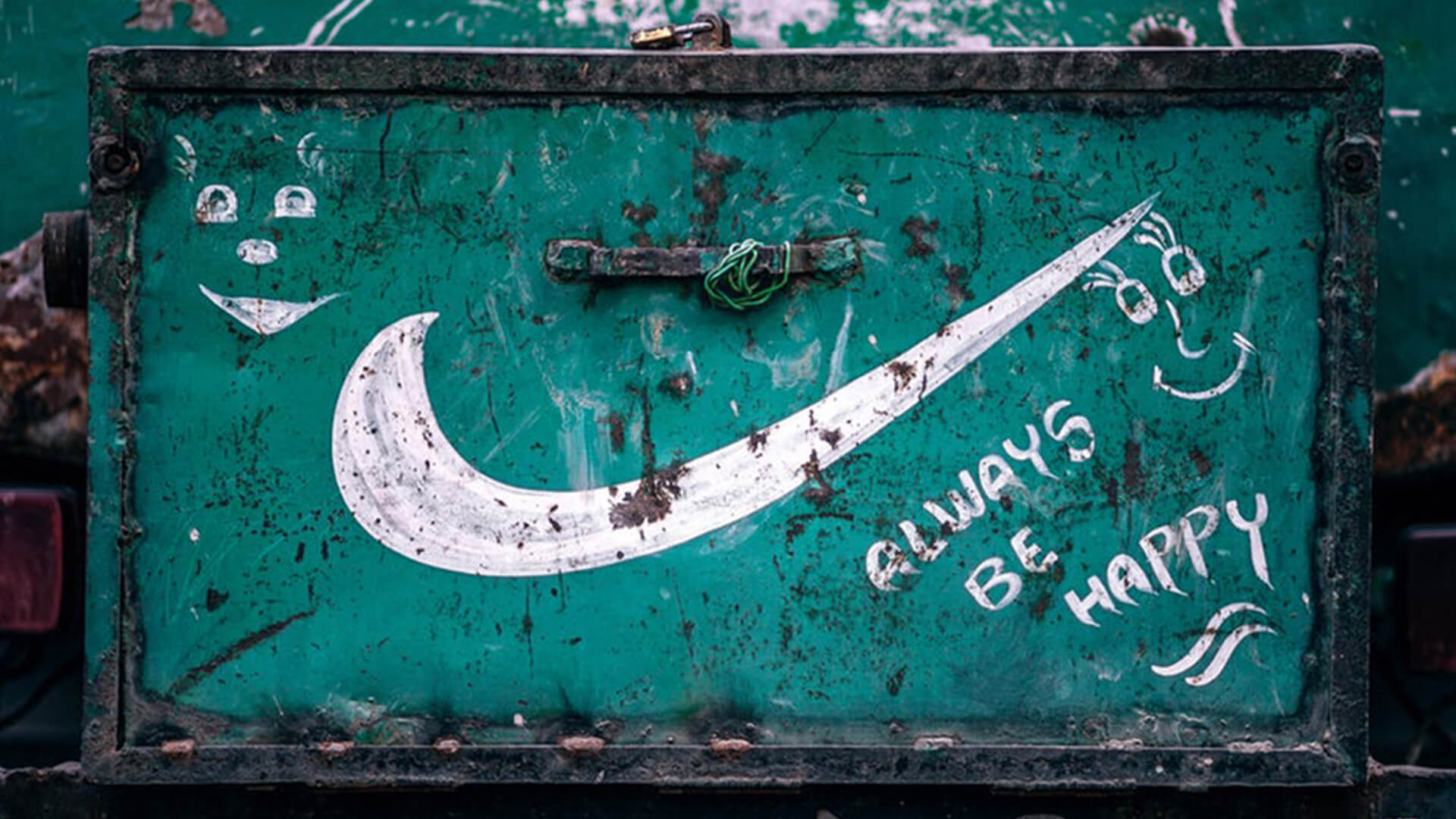
A brand is more than buying and selling products and involves creating consumer perception; “words” are one of the most important means of building perception. Words are ingrained in our daily lives and affect our views of things. We can communicate concepts through word meanings, and words are more memorable when their appearance is altered by design. Their appearances and meanings can complement each other to maximize communication effectiveness. Let’s use Nike as an example and discuss the images below.
Should brands use NFTs? Market trends from an industry perspective

Have you used NFTs? In the past two years, NFTs have spread like wildfire. Last year, digital artist Beeple’s “Everydays: “The First 5000 Days” was sold for US$70 million (approximately NT$1.9 billion), a record high in the NFT art market. Since then, there have been frequent stories of major brands, artists, and artists releasing NFTs. Nowadays, almost anything you want can be converted into NFTs through digitalization. Recently, the Japanese communication software LINE also announced the launch of their LINE NFT platform “Global NFT Market—DOSI.” Thus, it will be more convenient for ordinary users to obtain NFTs and for LINE users to trade them in the future. This can also connect the community more closely and create a unique NFT ecosystem. NFT is derived from blockchain technology and is the abbreviation for Non-Fungible Token. It is a token issued by the Ethereum ERC721 standard. It is characteristically inseparable, irreplaceable, and unique. Before learning about a "non-fungible token,” let's talk about the concept of a "fungible token"! Modern currency is called a “fungible token.” It is assumed that each NT$1,000 bill is valued equally and can be cut (divided into ten NT$100 bills). However, if there is a celebrity signature on the 1000NTD, then it takes on the characteristic of a unique “non-fungible token.” The NFT craze started at the end of 2017 from the online game CryptoKittie. Each cat in the game was unique and could not be copied or destroyed. Within a week of its launch, it resulted in more than US$1.9 million worth of Ether trade. We see that NFTs are also an important step in asset virtualization. Through blockchain technology, ownership can be verified and authenticity can be distinguished. As a brand owner, are you also on the fence about entering the market? Before making a decision, this article will provide guidance in the world of NFTs and explore brand potential in the future NFT market through case introductions and market trends.
Brand identity - More than just a logo

Visual Design covers a wide range of your business, such as commercial symbols, typefaces, colors and patterns. It is the conversational bridge between you and your customers. When it comes to brand strategies, “a logo” comes to people’s mind straightforwardly. Why is a logo so important? It is the face of your business which creates the first impression your clients’ may have. Without it, your company may be the one to be forgotten by the world. Every firm has its own unique way to reach the audiences, but the thing is - how do you stand out from the crowd? How to create a logo that simply speaks for itself among the competing digital world. In the following case studies, we will show you the thorough thoughts behind well designed logos and the afterward extension, which all together create cohesive brand values and appeals.
thinkers’ ooo Vol. 6-10 collec

thinker launched a new project named “thinkers’ ooo” since 2020. It is a column to share thinkers’ points of view to their favorite brands, some of which are not even well-known to the public. We love the products of course, but it is the brands that we are attracted to and inspired from. “ooo” means our perspectives, imagination and self statement. Written by the designers and planners themselves, the articles include why we love the brands, how we use the products and what we learn from the stories behind the brands. Here are the first five articles we’ve published. Enjoy!
Under COVID - Creative Food & Beverage Brands

Since the outbreak of COVI-19 last year, most industries were heavily impacted. It included the Food and Beverage sector in Taiwan from May, 2021 when the semi-lockdown began. People practiced Stay Home and Work From Home and drastically decreased the time spent outside. To survive, many restaurants and street eats started to provide take-away and delivery service, even high-end luxury brands. Without the personal interaction and dining environment, the only contact point between brands and consumers fell on the little delivery boxes. Apart from making sure the food quality, the box also played a role of brand communication to build emotional connection with customers.
Under COVID - Brands that heal

When we were about to recover from the threat of COVID-19, our life suddenly changed more than ever. After a year of ease, maybe it was time for us to officially enter the New Normal. This article was written in May, 2021, when a new COVID outbreak occurred in communities. We collected some case studies hoping that this would help the brand owners to thrive under such circumstances. Due to social distance, we needed another form of social life and mental comfort. Here are three types and case studies of brand activities that transformed and grew under the COVID to de-stress and heal people. Let’s take a look.
The role of package in branding

From our previous article “Brand image design and execution ,“ we mentioned that a good brand image manages people’s expectation to the brand, just like a person’s image. Down to execution, package plays an important role in delivering, maintaining the brand image, and most importantly, differentiating the brand from other competitors.
Event Branding for NPOs

Funding raising and advocacy are the most common methods of NPOs to reach its target audience. For NPOs, whichever fields, events are always the keys. A successful event can share the vision, build consensus and attract sponsors to help the organization to go further. So is there anything to do with branding? In fact, to run an event as a brand can make it a long term business with strategy and creativities, such as naming, slogan, key visual and applications, just like what a brand possesses. For small-medium NPOs, with limited resources, event branding can elevate the image and influence.
Examples of brands’ response to COVID-19

How do your brand react to COVID-19? In this article, think™ makes an example list of digital communication, visual design, virtual experience and friendly reminders which have received positive feedbacks and interaction during the last months. Time may be difficult but let’s stay creative and keep your business going.
Projection of brand - the power of photography

Brand design covers logo, identity system, visual extension and etc.; however, people used to underestimated the importance of brand photography, which is a key elements to deliver the comprehensive image of the brand. Logo design and slogan are the sophisticated simplified results extracted from concept. Therefore, a nicely executed photography can provide atmosphere and feelings that a logo may not be able to convey.
Strategy and Creativity - the Value of Brand Planning

Why do we need brand planning? Can’t we just jump to the design? Above are the FAQ that think™ get from new clients. To be honest, it is argued that if there is a standard process of building up a new brand. However, as a brand consultancy, we believe that a thorough planning in the early stage contributes to the design and drives better results. In this article we will take think™ as an example to showcase the mission and value of brand planning.
Thinkers OooVol 1 5Collection

thinker launched a new project named “thinkers' ooo” since 2020. It is a column to share thinkers’ points of view to their favorite brands, some of which are not even well-known to the public. We love the products of course, but it is the brands that we are attracted to and inspired from. “ooo” means our perspectives, imagination and self statement. Written by the designers and planners themselves, the articles include why we love the brands, how we use the products and what we learn from the stories behind the brands. Here are the first five articles we’ve published. Enjoy!
From food to soul - food & beverage case study

In this fast-paced society, life is overwhelmed by gigantic amount of information. People feel more and more disconnected even if they are active on social media. A experimental restaurant “table for ONE” was opened to create new experience, both for taste and mind. Each table is design for only one seat and every customer should sit along, and put your smartphone in a customized bag. Each serving comes with different games which allows customers to stay in “ the present.” “table for ONE” was a big success. Innovative, delicate and delicious. Most importantly, it targeted consumers’ psychological needs which consumers may not even realize. ※Image source: table for ONE http://bit.ly/2DnUEey
Essentials of Rebranding - Internal branding & Marketing

Once you finish the rebranding, without hesitation you may want to announce the new CIS, tell your customers, showcase the new packaging…. WAIT! There are some very important but often overlooked steps before re-launching your brand, that is internal branding, brand guideline and new marketing plans.
Essentials of Rebranding - Brand Equity & Key Roles

We are surrounded by thousands of ads everyday. Do your brands stand out from those massive messages. Have you ever struggled to make differentiation from competitors or to step into a new market segment? Maybe it’s time to rebrand! Rebranding is arguably the most difficult challenge for a brand manager. With the upcoming tasks on the to-do list, you need focus, plan carefully and pay attention to details. In this article, think™ would like to introduce you the fundamental ideas to find the corner stone and how the team should work for a success transformation of the brand.
Brand image design and execution

It’s been an arguing question among business owners “What is brand image?” Within a world full of choices, it’s getting harder to build an eye-catching brand image to attract consumers. General recognition to brand elements are mostly visual - Name, Slogan, Sign and Symbol. But it is actually more than these. Brand image plays a communication role to deliver the value, to manage people’s expectation and to differentiate it from competitors. Brand image is just like a person’s image. It represents personality, appearance and inner value of a brand.
Three principles of naming your new brand

The importance of “name” in human society couldn’t be emphasized more, and so does the name of a new brand. A brand name is the carrier of differentiation and brand value, which is so crucial that a good brand name should be creative and meaningful. However, coming up with such brand name can be tough and painful. Based on our experience and market trends, think™ concludes brand-naming with three applicable principles as following. Before start naming, you should do a market analysis about your current competitors and map out their positioning so that you obtain a general idea about where they are and most importantly, where you would probably be. After finding out your position, you are ready to name your brand with the following tips.
From Concept to Visuals - Brainstorming and Moodboard

So far think™ have introduced you how to do market research, brand positioning, brand naming, brand slogan and brand story. We are also constantly releasing our works which make us proud. However, there seems a gap between data and design. In this article, we’d like to uncover the exciting process of visualization development, using brainstorming and moodboard.
Three key elements of a successful brand video

In the digital generation, we all know that images are more impressionable than words and can clearly communicate brand philosophies in just a few minutes. Connecting with your target customers is the first step in successfully establishing a brand! Nowadays, more and more small-scale entrepreneurs use Facebook as their main sales platform. FB has targeted this need and launched the "Your business story" function earlier this year. You only need to add a few pictures and key in your brand philosophies to create a dynamic video for your brand. So, everyone can film a video now (yes, even with your iPhone!) But how do you make a good brand video? We believe there are three key elements!
How to strengthen brand loyalty by content marketing?

“Content is King” - Bill Gates, 1996 The power of content marketing can be hardly ignored since the consumers are looking for something more than benefits. They want a personal connection, even with the products. And thanks to the technology everyone can be a content creator, which, on the other hand, means it is more difficult for your content to stand out from the crowds. To transfer your creativity into cash, you should have a fundamental understanding about your target audience (TA) and brand positioning. Here are three steps to guide you through. - What is content marketing? Unlike the traditional marketing which focusing on product benefits, content marketing satisfies consumers’ need for information. Good content provides the right information to the right TA in a natural way. By yield useful knowledge, you can win your TA’s attention, trust, following and purchase intention. The most valuable feature of content marketing is that it lasts for almost forever (as long as internet exists). An online article or post of high quality may be shared for hundreds of thousands time. The long-term and sustainable effectiveness of content marketing can be hardly underestimated.
The strategic role of brand slogan

Brands are everywhere, and so are brand slogans! An outstanding band slogan will grow stronger as time goes by and make great impact as well as a brand name would do. A brand slogan is created not only by creativity but also strategic thinking. In this article we would like to introduce the definition of brand slogan, its function and the chemical effect between brand slogan and the brand itself, after which case study follows.
Modern and extensive application of country visual identity

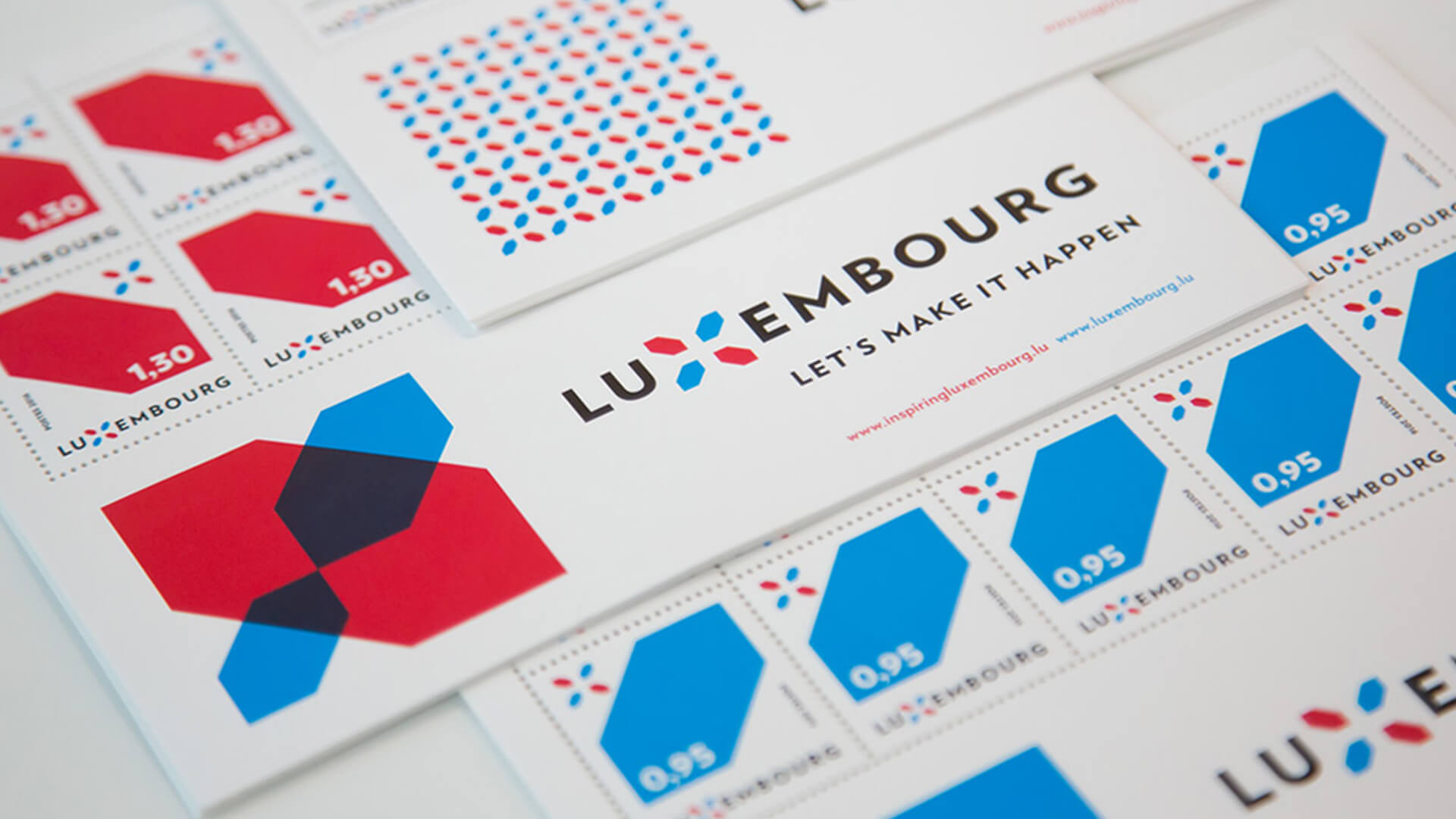
What comes to your mind when speaking of a country visual identity? Is it the flag or some landmarks? In fact more and more countries are embracing the concept of brand identity and renew their identity system. An eye-catching and comprehensive visual would impress the locals and tourists and earn more positive engagement from them. Today we are looking at the new country identity of Luxembourg.
A simple guide to your social media marketing

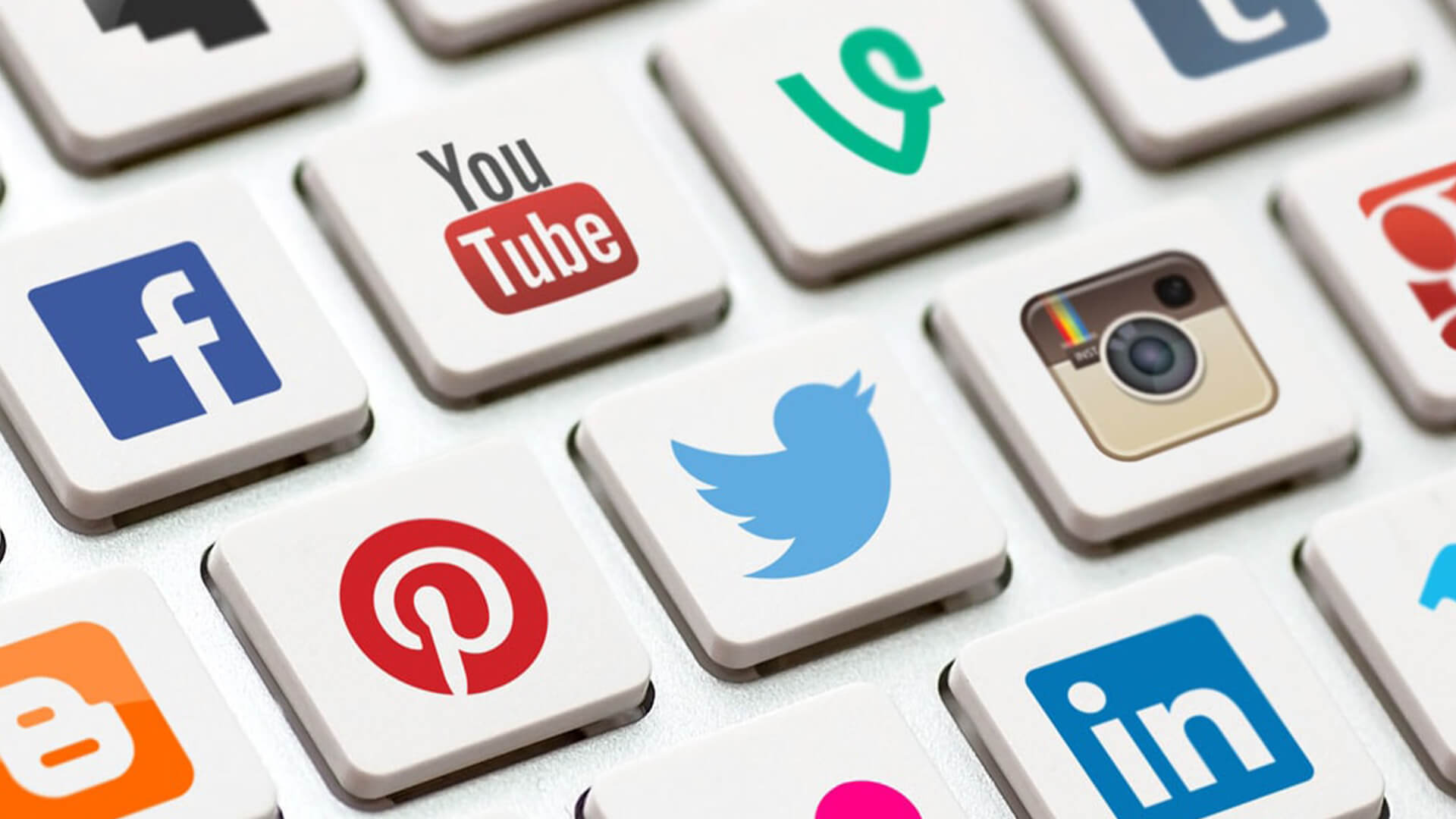
Social media has been a new form of marketing research and communication. While people possess multiple social accounts, more and more e-commerce business establish their own brand pages to target, provide service and engage their customers. But among all the platforms, which one suits your brand the best? And how to execute your social media marketing better? We will introduce you the characteristics and some tips of each major social media.
Tips of brand story for start-up entrepreneurs

Entrepreneurship has become the recent trends among Taiwanese. While starting a new business is not an easy task, so is brand storytelling. Over half of the projects think™ has being working on are start-up business. These young, passionate entrepreneurs are confident with their product features but find it painful to tell their brand story because this is a “new” brand. think™ believes it is simple for start-up business to dig out their brand story and here are some tips to follow. What jump into your mind when it comes to brand story? Historic Coca-Cola, iconic Coco Chanel, or legendary Apple by Steve Jobs? These brands enjoy either long history or epoch-making creative works, which most of the new businesses do not require. Yet, the advantages of start-ups are the initial enthusiasm to ultimate aim. And this is the good point to srart your brand story! And how to structure? Make it as a trilogy!
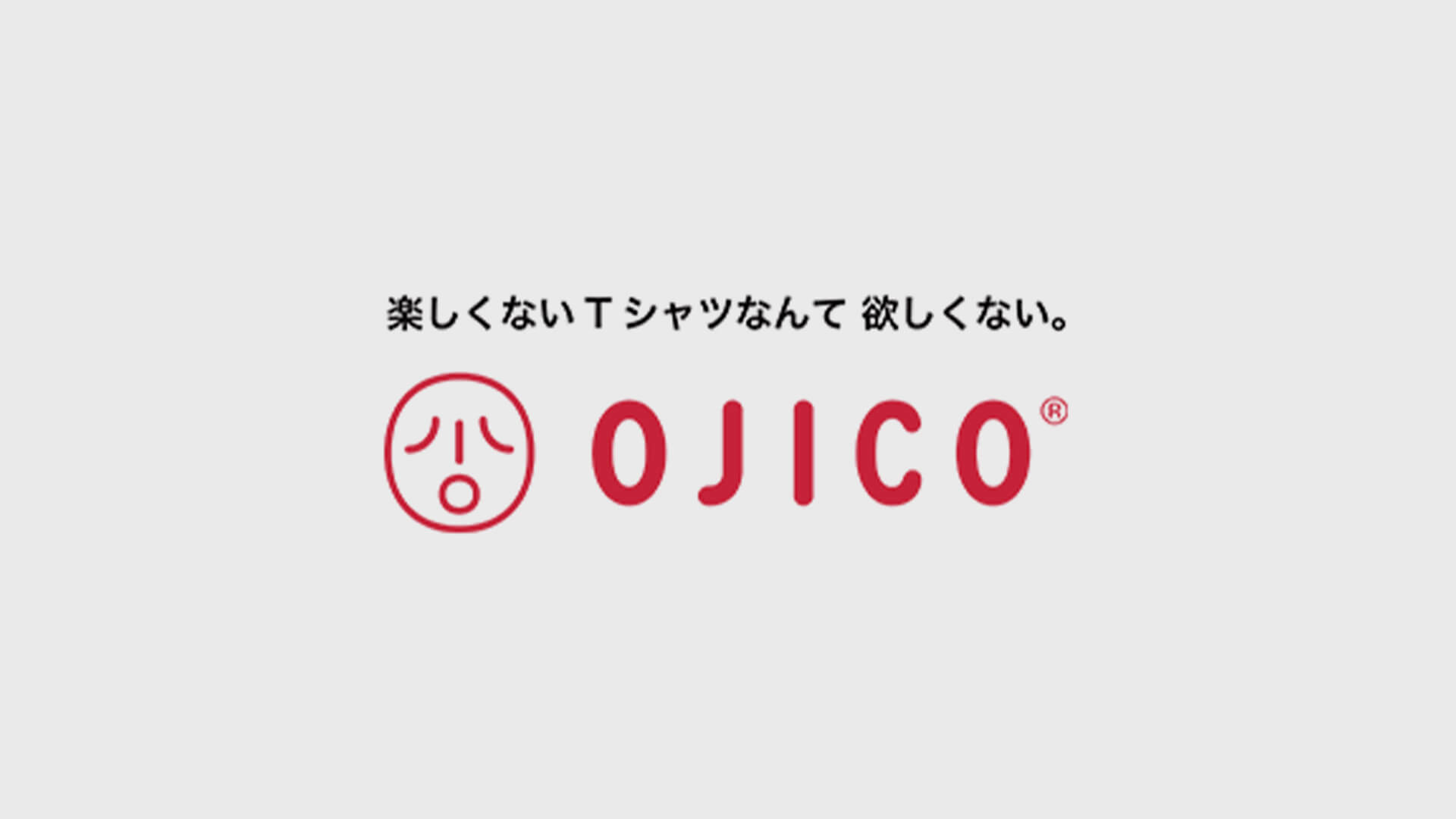
An awkwardly fun brand OJICO

Thinker visited Japan at the end of last year and saw a logo at the Tokyo station that left a deep impression. At the time, I thought to myself, the expression looks very melancholy and out of place, why would they use it?! This also made me want to find out more about this brand. At the right of the sign was their slogan "楽しくないTシャツなんて欲しくない" which means, "I don't want an interesting t-shirt at all.” Then, I took a look at the t-shirts they designed, all of them were very amusing, and they also had a lot of interactive products that emphasized family which were awesome! So I went online to investigate the logo's design concept which was simple but a little glum. This face is formed by the 5 English letters OJICO and the designers wanted to express the feelings of "surprise" and "communication." People will naturally notice people's expressions, and everyone feels differently when they see it. Some people think it is kind of funny and awkward, some think it is confusing, and the fact that the face is formed by the letters OJICO makes it hard to forget. Regardless, through the brand concept and logo, the brand’ spirit can be found throughout the product design, and it is indeed a brand that makes you smile!